
The Science of Cooking: Understanding Chemical Reactions in the Kitchen
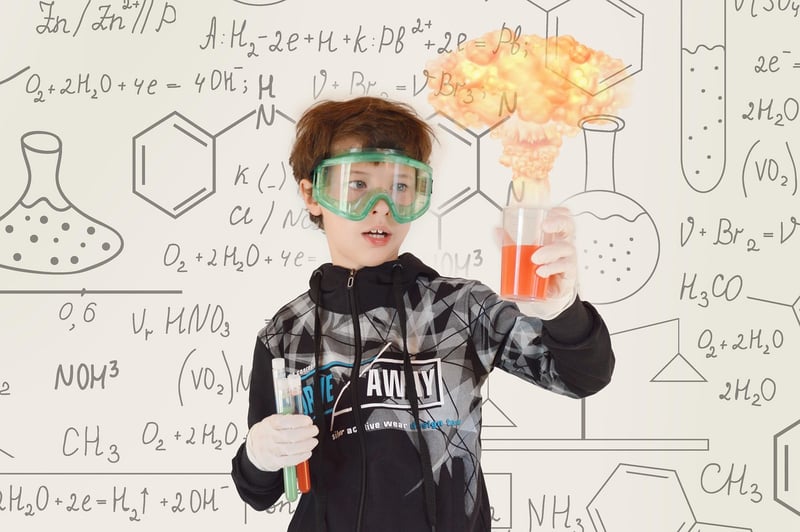
Cooking is not just an art; it's also a science. Understanding the chemical reactions that take place in the kitchen can help you become a better cook and create delicious dishes with precision. Let's delve into the fascinating world where chemistry meets culinary arts.
Maillard Reaction: The Key to Flavorful Browning
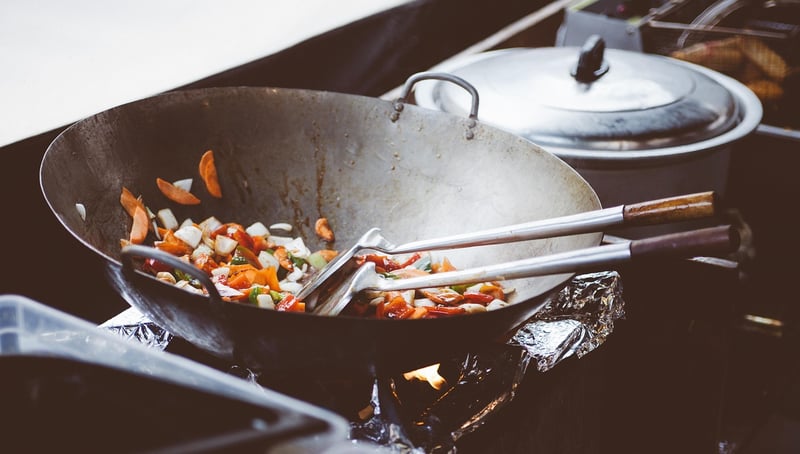
One of the most well-known chemical reactions in cooking is the Maillard reaction. This reaction occurs between amino acids and reducing sugars when exposed to heat, resulting in the browning of food and the development of complex flavors. It's responsible for the delicious crust on seared meats, golden-brown bread crusts, and roasted coffee beans.
Emulsification: The Science Behind Creamy Sauces
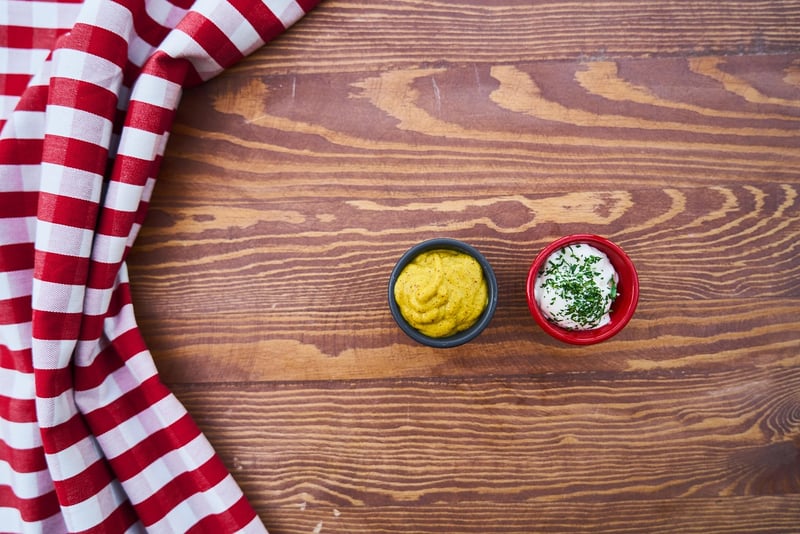
Emulsification is another essential process in cooking that involves combining two liquids that don't normally mix, such as oil and water. By using an emulsifier like egg yolk or mustard, stable emulsions like mayonnaise or hollandaise sauce can be created. Understanding the science of emulsions can help you achieve the perfect creamy texture in your sauces.
Leavening Agents: The Secret to Fluffy Baked Goods
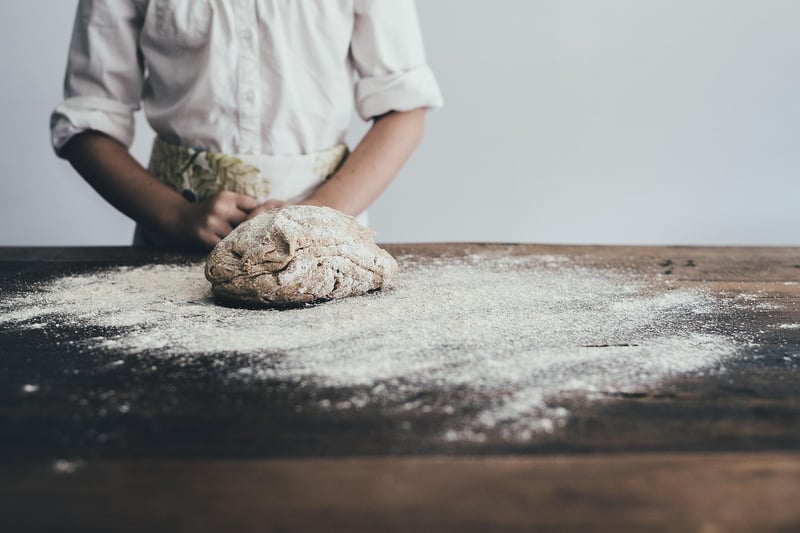
Leavening agents are substances that help baked goods rise by producing gases that expand during baking, creating a light and airy texture. Baking powder, baking soda, yeast, and whipped egg whites are common leavening agents used in baking. By understanding how these agents work, you can master the art of baking fluffy cakes, bread, and pastries.
Caramelization: Turning Sugar into Golden Goodness
When sugar is heated, it undergoes a chemical reaction known as caramelization. This process breaks down the sugar molecules, creating a complex mixture of flavors and aromas. Caramelization is responsible for the sweet taste and brown color of caramel, as well as the rich flavor of roasted vegetables like sweet potatoes and onions.
Conclusion
Next time you step into the kitchen, remember that cooking is not just about following recipes; it's about understanding the science behind the flavors, textures, and colors that make each dish unique. By exploring the chemical reactions that occur during cooking, you can elevate your culinary skills and create gastronomic delights that tantalize the taste buds.
Embrace the science of cooking, experiment with different techniques, and unlock the secrets of the kitchen to become a master chef in your own home!